


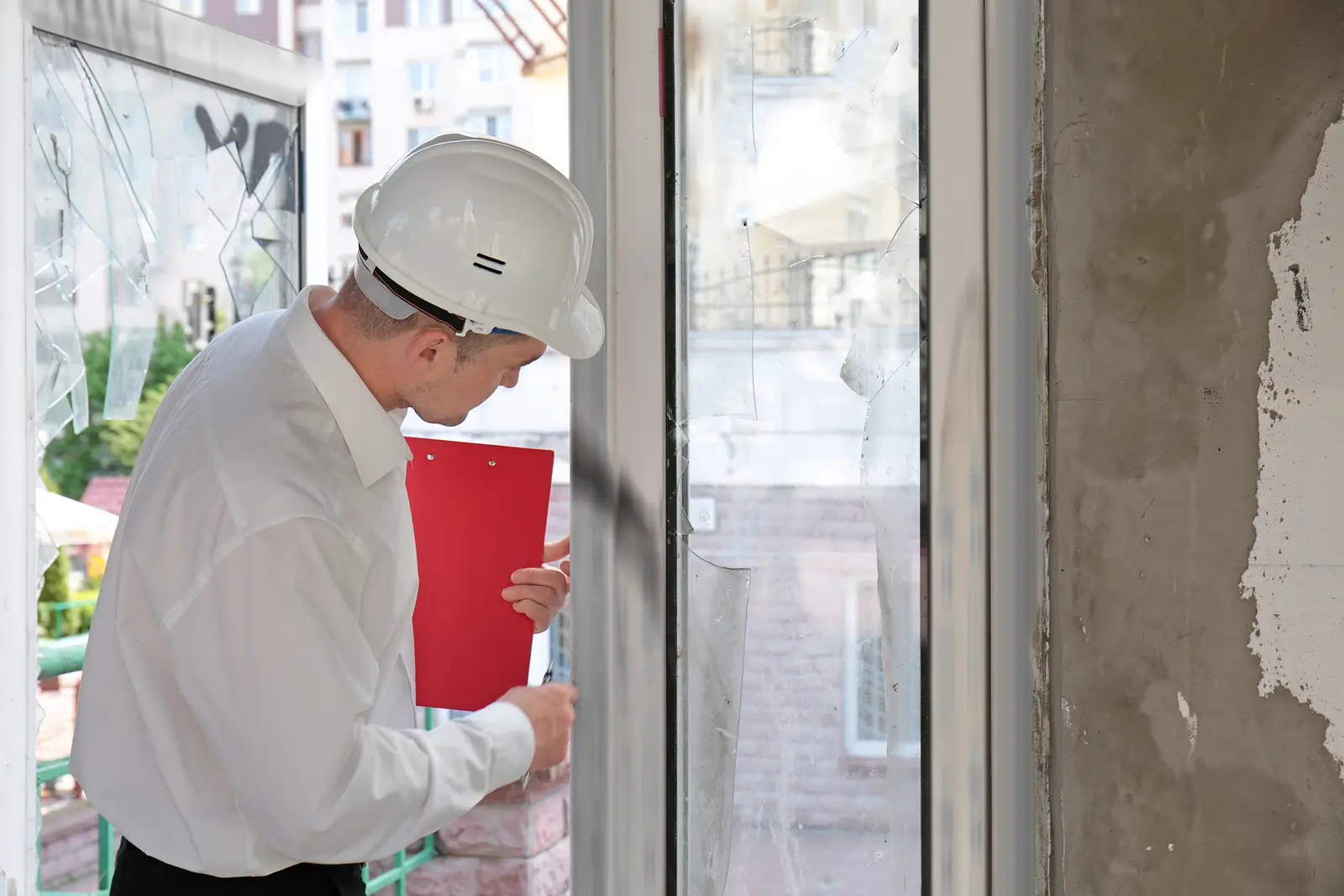
A repair ticket for the same fixture, filed twice within a year, isn't really a maintenance issue anymore; it's a warning. Steel City Management pulls that thread for Pittsburgh owners, connecting isolated work orders back to the bigger picture of what a rental's numbers are actually signaling about a property's overall condition.
Key Takeaways
- A repair that keeps recurring on the same component usually points to an aging system, not chance.
- Tracking repair history over time reveals which systems are nearing replacement.
- Planning ahead for replacements keeps costs predictable instead of reactive.
- Letting a repeating issue go unaddressed tends to drive up both repair costs and tenant complaints.
- Weighing repair costs against replacement costs is the clearest way to decide what comes next.
When the Same Repair Keeps Coming Back, Listen to It
Roofs, plumbing systems, HVAC units, and water heaters all wear out over time, and once that wear sets in, repairs on that system tend to bunch together rather than happen once and disappear.
Patching a single pipe joint doesn't restore an entire plumbing network installed at the same time. Sealing one patch of roof doesn't reverse years of Pittsburgh winters bearing down on the rest of it. When a particular type of maintenance keeps landing on your desk, that's the system signaling it's near the end, not bad luck.
Components that tend to show this kind of repeat pattern include:
- HVAC equipment
- Water heaters
- Plumbing lines
- Roofing materials
- Exterior siding
- Windows and doors
Once a system needs attention more than once or twice in a short window, replacing it usually becomes the more practical long-term move.
Deterioration Often Starts Somewhere You Can't See
A large share of property wear begins somewhere hidden, inside a wall cavity, under a subfloor, deep in a mechanical unit, long before it becomes visible. By the time a tenant reports a stain or a slow drain, the underlying damage has often been building for a while.
Nationally, the median age of owner-occupied homes is 41 years, according to Census Bureau figures, meaning a significant share of the country's rental housing carries decades of accumulated wear. Here's how that tends to show up system by system.
Aging plumbing typically produces repeat leaks from corrosion spreading through the network, not from one faulty fitting. Aging roofing shows up as recurring leaks tied to worn flashing or shingles near the end of their service life. Aging HVAC systems reveal themselves through dropping efficiency, worn motors, or compressors approaching failure. Aging windows tend to let in drafts and moisture once their seals start giving out.
Focusing on the root cause rather than the latest symptom keeps owners from paying for the same fix repeatedly.
Knowing When a Repair Stops Making Financial Sense
Small repairs are worth it while a system is still structurally sound. That math flips once ongoing maintenance starts costing more than a full replacement would. A few warning signs tend to show up before that point.
If a contractor keeps returning every few months for a similar problem, the system itself is likely at fault, not the specific part that just gave out. Each repair carries its own labor, materials, and scheduling costs, and those add up faster than most owners expect. Emergency service calls run especially high since they often involve after-hours rates. Left unresolved, issues that snowball over time can also spread damage to drywall, flooring, or trim well beyond the original problem.
Before approving another short-term fix, it's worth totaling what keeping the aging system running is actually costing you.
A Full Repair History Tells a Story One Ticket Can't
A single maintenance request only shows part of the picture. A complete repair history, tracked over months or years, gives owners a far clearer read on how every major system is holding up.
The Joint Center for Housing Studies of Harvard University estimated homeowners spent roughly $503 billion in 2024 on remodeling and repair work nationwide, a figure that reflects just how much upkeep the country's aging housing stock demands. Reviewing your own records for patterns, plumbing leaks recurring in the same spot, HVAC repairs surfacing every year before a seasonal shift, or appliances failing more often than expected helps you plan ahead instead of reacting after something breaks.
Letting Your Repair Data Prioritize What Comes Next
Every rental eventually needs a major upgrade, and the harder question is usually which project comes first. A repeated repair pattern gives owners real data to answer that instead of guessing.
Working with a dependable vendor network makes this kind of prioritization much easier, since consistent contractors document conditions accurately over time instead of leaving gaps. When weighing what to tackle first, compare ongoing repair costs against full replacement pricing, factor in how much useful life a system likely has left, and consider how much a failing system is affecting your residents day to day. Whichever system scores the worst across those three factors should move to the top of the list.
Staying Ahead of Failure Costs Less Than Waiting for It
Waiting until a system fails completely almost always costs more in repair bills, in property damage, and in tenant frustration. Opting for full-service property management can help you catch these patterns early instead of discovering them after a system has already broken down.
Staying proactive generally means annual checks on major systems, seasonal HVAC servicing, roof evaluations, and plumbing assessments on a set schedule. Between visits, a free rental analysis can help confirm whether your current repair pattern is pointing toward a bigger investment need on the horizon.
Why Local Oversight Makes the Real Difference
Recurring repairs call for more than a fast response every time something breaks. They call for informed decisions built on real data and consistent tracking. For owners who split time away from the property, home watch services add another layer of visibility, catching small issues before they turn into recurring ones. Owners can also lean on our resources built for property owners to better understand what's expected of them and what support is available.
At Steel City Management, we track repair histories, coordinate qualified vendors, and keep owners informed at every stage. Our goal is to help you tell the difference between routine upkeep and a system that's genuinely reaching the end of its life, so your budgeting stays grounded and your property stays reliable for the people living in it.
FAQs about Recurring Repairs in Pittsburgh, PA
Does replacing an aging system before it fails actually lower my insurance risk?
It can. Insurers sometimes scrutinize claims tied to known, unaddressed issues. Replacing a failing system proactively and documenting that decision gives you a stronger position if a related claim ever comes up.
How much should I expect recurring repairs to cost compared to one full replacement?
It varies by system, but repeated repairs on an aging component often total more within a year or two than replacing it outright, once labor, parts, and emergency call fees are added up.
Can outdated systems make my rental less competitive against newer listings nearby?
Yes. Prospective tenants often compare properties directly, and visible wear or frequent service visits can push them toward a newer alternative, even if rent and location are otherwise comparable.
What's the best way to track repair patterns if I own more than one rental?
A shared maintenance log across properties helps you compare repair frequency and cost side by side, making it easier to spot which property's systems are aging faster and need attention first.
Do older properties in Pittsburgh face different maintenance challenges than newer builds?
Often, yes. Older homes typically carry original plumbing, roofing, or electrical systems nearing the end of their lifespan, which tends to produce more frequent repairs than a property built within the last decade or two.
Your Property's Files Already Have the Answer
Not every fix needs a second opinion, but a fix that keeps repeating almost always does. Steel City Management treats each recurring line item as a clue rather than a nuisance, matching repair frequency against real replacement timelines so Pittsburgh owners aren't caught off guard by a system that finally gives out.
If you want that same clarity for your property, you can request a maintenance review and get a straight answer on what actually needs attention next.
